
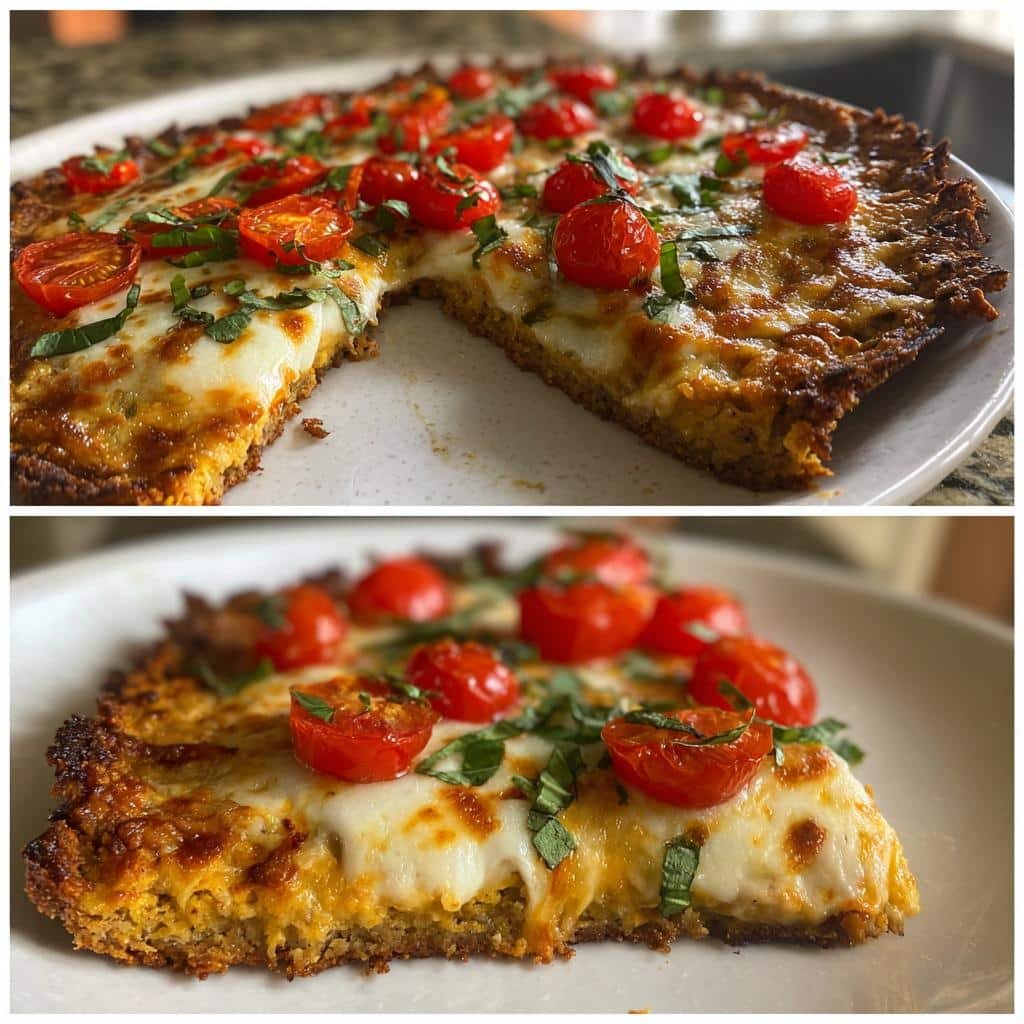
Let me tell you a secret – gluten-free pizza doesn’t have to taste like cardboard! My oat flour pizza crust changed everything for me. After years of disappointing gluten-free doughs that crumbled or tasted bland, I stumbled on this simple, wholesome recipe. The magic? Oat flour. It gives the crust this nutty, slightly sweet flavor with just the right chewiness. I was skeptical at first (who isn’t when trying yet another GF alternative?), but the first bite had me hooked. Now it’s our Friday night staple – crispy edges, tender middle, and absolutely worthy of all your favorite toppings. Trust me, even your gluten-loving friends will beg for seconds!
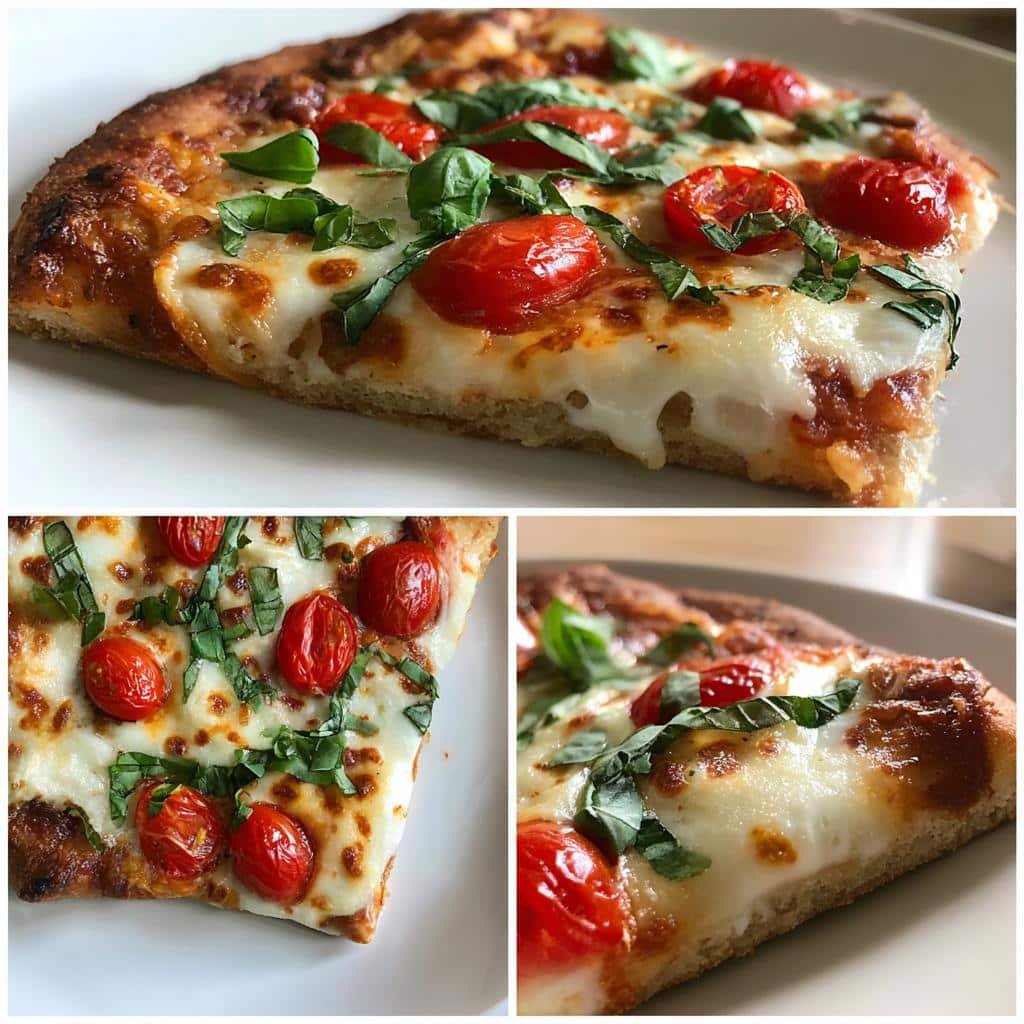
Why You’ll Love This Oat Flour Pizza Crust (Gluten-Free)
This isn’t just another gluten-free compromise—it’s a pizza game-changer. Here’s why I’m obsessed (and you will be too):
- Crave-worthy texture: Crispy edges with a tender, slightly chewy middle—no cardboard vibes here!
- Wholesome & simple: Just 5 pantry staples (no weird binders or gums) for a crust that’s actually good for you.
- Weeknight easy: Mix, roll, bake—done in 30 minutes flat, even faster than takeout.
- Gluten-free that tastes amazing: Oat flour’s natural sweetness makes this crust delicious enough to fool any skeptic.
Seriously, once you try that first golden slice, regular pizza dough might just lose its appeal. (Okay, maybe not entirely—but it’ll be close!)
Ingredients for Oat Flour Pizza Crust (Gluten-Free)
Here’s the beautiful part – you only need 5 simple ingredients to make magic happen. But listen, the quality matters here (I learned that the hard way after a sad, gummy pizza disaster). Here’s exactly what you’ll need:
- 2 cups oat flour – Look for certified gluten-free if you’re sensitive. I buy Bob’s Red Mill, but any fine, fresh oat flour works. Pro tip: Check the expiration date – stale flour = sad pizza.
- 1 teaspoon baking powder – This is our rising agent, so make sure yours is fresh! Give the canister a sniff – if it doesn’t fizz slightly when you add water, toss it.
- 1/2 teaspoon salt – I use fine sea salt, but table salt works too. This isn’t just for flavor – it helps strengthen the crust’s structure.
- 1 tablespoon olive oil – Extra virgin gives the best flavor. That cheap “light tasting” stuff? Save it for salad dressing.
- 1/2 cup warm water (about 110°F) – Not hot, not cold – think baby bottle temperature. Too hot kills the texture, too cold won’t hydrate properly.
See? Nothing weird or hard-to-find. Just pantry staples that come together to create pizza magic. Now let’s get mixing!
How to Make Oat Flour Pizza Crust (Gluten-Free)
Okay, here’s where the magic happens! Don’t let the simplicity fool you – there are a few key tricks I’ve learned through trial and error (mostly error at first) to get this crust just right. Follow these steps, and you’ll be biting into pizza perfection in no time.
1. Preheat and prep
First things first – crank that oven to 400°F (200°C). Trust me, you want it nice and hot before the dough hits the baking sheet. While it’s heating, line your baking sheet with parchment paper. No parchment? Lightly grease it, but parchment gives you that perfect golden bottom crust without sticking disasters.
2. Mix the dry ingredients
Grab a big bowl and whisk together your oat flour, baking powder, and salt. Really whisk it – don’t just stir! You want those ingredients completely combined so there are no bitter baking powder pockets in your finished crust. I learned this the hard way after one very… interesting… bite.
3. Bring it together
Now drizzle in that glorious olive oil and slowly add the warm water while stirring with a wooden spoon or spatula. Here’s the important part – the dough should come together into a slightly sticky ball. If it’s too dry, add water a tablespoon at a time. Too wet? Sprinkle in a bit more oat flour. You’re aiming for playdough consistency – holds together but doesn’t stick to your fingers.
4. Roll it out
Place your dough ball on the prepared baking sheet and get rolling! I like to use a rolling pin dusted with oat flour, but you can also press it out with your hands for a rustic look. Aim for about 1/4-inch thickness – any thinner and it might crisp too much, any thicker and it stays doughy. Pro tip: If the edges crack, just wet your fingers and smooth them out.
5. First bake
Pop that beauty in the oven for 10-12 minutes until the edges just start turning golden. This pre-bake is crucial – it gives the crust structure so your toppings don’t make it soggy. Set a timer! I can’t tell you how many times I’ve gotten distracted and ended up with a cracker instead of a crust.
6. Top and finish
Now the fun part! Add your favorite sauce and toppings (less is more with this crust – it can’t handle a mountain of cheese). Return to the oven for another 8-10 minutes until everything’s melted and bubbly. Let it cool for just a minute before slicing – patience is hard, but it prevents topping slides!
See? Easy peasy. And that first bite of crispy, nutty crust with melty toppings? Absolute pizza bliss. Now go forth and bake!
Tips for the Best Oat Flour Pizza Crust (Gluten-Free)
After making this crust more times than I can count (and yes, burning a few along the way), I’ve picked up some game-changing tricks. These little details make all the difference between “good enough” and “oh wow, this is incredible!” Here’s what I wish I’d known from the start:
Roll it thin for maximum crisp
That 1/4-inch thickness isn’t just a suggestion – it’s the golden rule. Too thick and the middle stays doughy while the edges burn. I use two chopsticks as makeshift rolling pin guides to keep it even. And listen, if your first attempt looks more like a continent than a perfect circle? Who cares! Rustic is charming, and it’ll taste just as amazing.
Let it breathe before topping
I know, I know – you want to pile on that sauce the second it comes out of the oven. Resist! Give your pre-baked crust 2-3 minutes to firm up. This quick rest prevents the dreaded “soggy bottom” syndrome. While you wait, prep your toppings so everything’s ready to go.
The flour dusting trick
Oat flour dough sticks like crazy if you don’t prepare properly. Here’s my method: sprinkle your work surface and rolling pin with a light dusting of oat flour. Too much makes the dough dry, so just a whisper-thin layer does the job. If it starts sticking mid-roll, lift gently and re-dust.
Watch like a hawk
Oat flour browns faster than you’d expect. Set that timer for 10 minutes, but start checking at 8 – every oven runs differently. You’re looking for lightly golden edges, not dark brown. And rotate the pan halfway through for even baking. Trust me, one distracted text message and suddenly you’ve got charcoal instead of crust!
Bonus tip from my last disaster: If your crust puffs up like a pillow during baking, just gently press it down with a spatula when it comes out. Crisis averted, and no one will ever know.
Oat Flour Pizza Crust (Gluten-Free) Variations
Once you’ve mastered the basic recipe (and eaten approximately seventeen test pizzas like I did), it’s time to play! This crust is like a blank canvas just begging for your creative touches. Here are my favorite ways to mix it up when I’m feeling fancy:
Herb-Infused Dough
I always keep dried Italian herbs in my pantry for this trick. Just whisk 1 teaspoon of dried oregano, basil, or rosemary (or all three!) right into the dry ingredients. The heat releases these amazing aromas that make your kitchen smell like an Italian trattoria. My husband goes wild when I add a pinch of garlic powder too – it’s like garlic bread and pizza had a delicious baby.
Seeded Crunch Upgrade
For extra texture and nutrition, sprinkle 1-2 tablespoons of seeds onto the rolled-out dough before baking. I’m partial to sesame seeds for their nutty flavor, but everything bagel seasoning works magic too. Press them gently into the surface so they don’t roll off when you slice. Pro tip: Toast the seeds first for maximum flavor – just 30 seconds in a dry pan until fragrant.
Vegan Cheese Dream
When my dairy-free friends come over, I swap regular cheese for their favorite plant-based shreds. The trick? Use less than you think – vegan cheese melts differently. I do a light scattering, then pop it under the broiler for just 60 seconds at the end for that perfect stretchy effect. Nutritional yeast sprinkled on top adds that cheesy umami kick without any dairy at all.
The beauty of this crust is how adaptable it is – I’ve even done a sweet version with cinnamon and a drizzle of honey for dessert! Whatever you try, just remember: the simpler the tweak, the better the results. Now go forth and pizza-tize to your heart’s content!
Serving Suggestions for Oat Flour Pizza Crust (Gluten-Free)
Listen, this crust is so good you could eat it plain (I may or may not have done this while “testing”). But let’s talk about how to turn it into a full meal that’ll impress everyone at the table. Here are my go-to serving ideas that make pizza night feel extra special:
The Perfect Salad Pairings
A crisp salad cuts through the richness of pizza like a dream. My absolute favorite is a simple arugula salad with lemon vinaigrette – the peppery greens and bright acidity balance the crust’s nuttiness perfectly. For heartier appetites, toss together some romaine, chickpeas, and a garlicky tahini dressing. The key is keeping dressings light – no heavy creamy dressings that’ll weigh down your meal.
Dips That Steal the Show
Who says pizza needs sauce just on top? I always put out small bowls of my homemade marinara for dipping crusts (double the tomato goodness!). For dairy-free folks, a roasted red pepper hummus is magical. And for those who can do dairy? Warm garlic butter with a pinch of red pepper flakes will have everyone fighting over the last drop. If you need a great dip recipe, check out this jalapeno popper dip!
Protein Power-Ups
Sometimes you need more than just pizza (blasphemy, I know!). I love serving this with simple grilled chicken strips or roasted chickpeas for extra protein. My kids go crazy when I make mini meatballs on the side – they either eat them separately or pile them right onto their slices. For plant-based meals, marinated tofu cubes or white beans tossed with olive oil and herbs work beautifully. If you are looking for a great meatball recipe, try these air fryer meatballs.
Remember, the crust is the star here – keep toppings and sides simple so its delicious flavor shines through. Whether you’re feeding a crowd or just treating yourself, these combos turn your gluten-free pizza into a meal to remember!
Storing and Reheating Oat Flour Pizza Crust (Gluten-Free)
Okay, let’s talk leftovers – because let’s be real, sometimes you do have some crust left over (though in my house, that’s a rare miracle). Here’s how to keep that gluten-free goodness tasting fresh and crispy, because soggy pizza is just sad.
The Storage Secret
First rule: let the pizza cool completely before storing. I know it’s tempting to shove it straight into a container, but trapping steam makes everything soggy. I usually leave mine on a wire rack for about 20 minutes. Then, pop it in an airtight container with a paper towel underneath to absorb any moisture. It’ll stay perfect for up to 3 days in the fridge – though in my experience, it never lasts that long!
Reheating Like a Pro
Microwaving is the enemy of crispy crust! For that just-baked texture, here’s what I do:
- Oven method: Preheat to 375°F (190°C). Place slices directly on the rack (no pan!) for 5-7 minutes. This lets hot air circulate all around for even crisping.
- Air fryer magic: My personal favorite! 350°F (175°C) for 3-4 minutes makes the crust impossibly crisp. No preheating needed – just pop it in and listen for that satisfying crunch.
- Skiller trick: For single slices, a dry skillet over medium heat works wonders. Cover with a lid for 2 minutes to melt cheese, then uncover for 1 minute to crisp the bottom.
Freezer-Friendly Option
Want to prep ahead? You can freeze the baked crust (without toppings) for up to 2 months! Just wrap tightly in plastic, then foil. When ready, thaw at room temp for 30 minutes, add toppings, and bake as usual – it’ll taste fresh as the day you made it.
One last tip from my many experiments: reheated pizza tastes best when you pretend you’re at a fancy restaurant. Plate it nicely, maybe add a fresh basil leaf, and voilà – leftover magic that tastes better than takeout!
Oat Flour Pizza Crust (Gluten-Free) Nutritional Information
Let’s talk numbers—but keep it real, okay? I’m no dietitian, just a pizza lover who likes knowing what’s going into my body. This crust is naturally wholesome, but exact nutrition depends on your toppings and specific ingredients. Here’s the rough breakdown per slice (based on cutting the pizza into 8 slices):
- Calories: About 120 (without toppings—obviously that cheese adds up!)
- Fat: 3g (mostly from heart-healthy olive oil)
- Carbs: 20g (with 3g fiber to keep you full)
- Protein: 4g (not bad for a crust!)
- Sugar: Just 1g naturally occurring from the oats
Now, a few important notes: These numbers assume you’re using exactly the ingredients listed—different brands of oat flour can vary slightly. And please, if you’re tracking for medical reasons, calculate based on your exact ingredients. But for most of us? This is guilt-free pizza that actually fuels your body. The oats provide slow-release energy, and there’s zero cholesterol since it’s plant-based. Not too shabby for something that tastes this indulgent!
Pro tip: For an extra nutrition boost, I sometimes add 1 tablespoon of ground flaxseed to the dry ingredients. It sneaks in omega-3s without changing the flavor. Sneaky healthy—just how I like it!
FAQs About Oat Flour Pizza Crust (Gluten-Free)
I get questions about this crust ALL the time – here are the ones that pop up most often in my kitchen (and DMs!). Consider this your gluten-free pizza cheat sheet:
Can I make my own oat flour from instant oats?
Absolutely! Just blitz rolled or instant oats in a blender or food processor until powdery. But here’s my tip: sift it after grinding to remove any stubborn oat chunks. And measure after blending – 2 cups whole oats yields about 1.5 cups flour.
Is oat flour keto-friendly?
Not really, friends. While oats are nutritious, they’re carb-heavy. One slice of this crust has about 20g carbs. For keto, try blending almond flour with psyllium husk powder – though the texture will be different.
Why did my crust turn out gummy?
Three likely culprits: 1) You didn’t pre-bake long enough (edges should be golden before topping), 2) The dough was too wet (add flour tablespoon by tablespoon next time), or 3) You overloaded with saucy toppings. Less is more with gluten-free crusts!
Can I freeze the dough for later?
You bet! Shape it into a disk, wrap tightly in plastic, then foil. Freeze for up to 2 months. Thaw in the fridge overnight before rolling – it might need a sprinkle more flour if sticky. I always keep one in my freezer for emergency pizza cravings! If you need a great freezer meal idea, check out this dump and bake meatball casserole.
Will this work for a pizza stone or grill?
Yes, but with caution! For a stone: preheat it with the oven, then slide the parchment paper with dough onto it. For grilling: pre-bake the crust fully first, then finish on a medium-heat grill just to melt toppings. Both methods need watching – oat flour browns fast!
Still have questions? Slide into my DMs – I love helping troubleshoot pizza disasters (we’ve all been there!). Now go make some gluten-free magic and tag me in your crust creations!
Print
2-Ingredient Oat Flour Pizza Crust: a Gluten-Free Miracle
- Total Time: 30 mins
- Yield: 1 pizza crust
- Diet: Gluten Free
Description
A gluten-free pizza crust made with oat flour for a healthy and delicious alternative.
Ingredients
- 2 cups oat flour
- 1 tsp baking powder
- 1/2 tsp salt
- 1 tbsp olive oil
- 1/2 cup warm water
Instructions
- Preheat oven to 400°F (200°C).
- Mix oat flour, baking powder, and salt in a bowl.
- Add olive oil and warm water, then stir until a dough forms.
- Roll the dough into a circle on a parchment-lined baking sheet.
- Bake for 10-12 minutes until edges are lightly golden.
- Add toppings and bake for another 10 minutes.
Notes
- For crispier crust, pre-bake for 15 minutes.
- Store leftovers in an airtight container for up to 3 days.
- Prep Time: 10 mins
- Cook Time: 20 mins
- Category: Main Dish
- Method: Baking
- Cuisine: Italian